
Rubber Grips Have Arrived – and They're Taking Over
For a few years now, rubber grips have been growing in popularity among functional fitness athletes. Incredible grip without chalk has made both recreational athletes and competitors switch. In this blog we look at why that is, and introduce League grips.

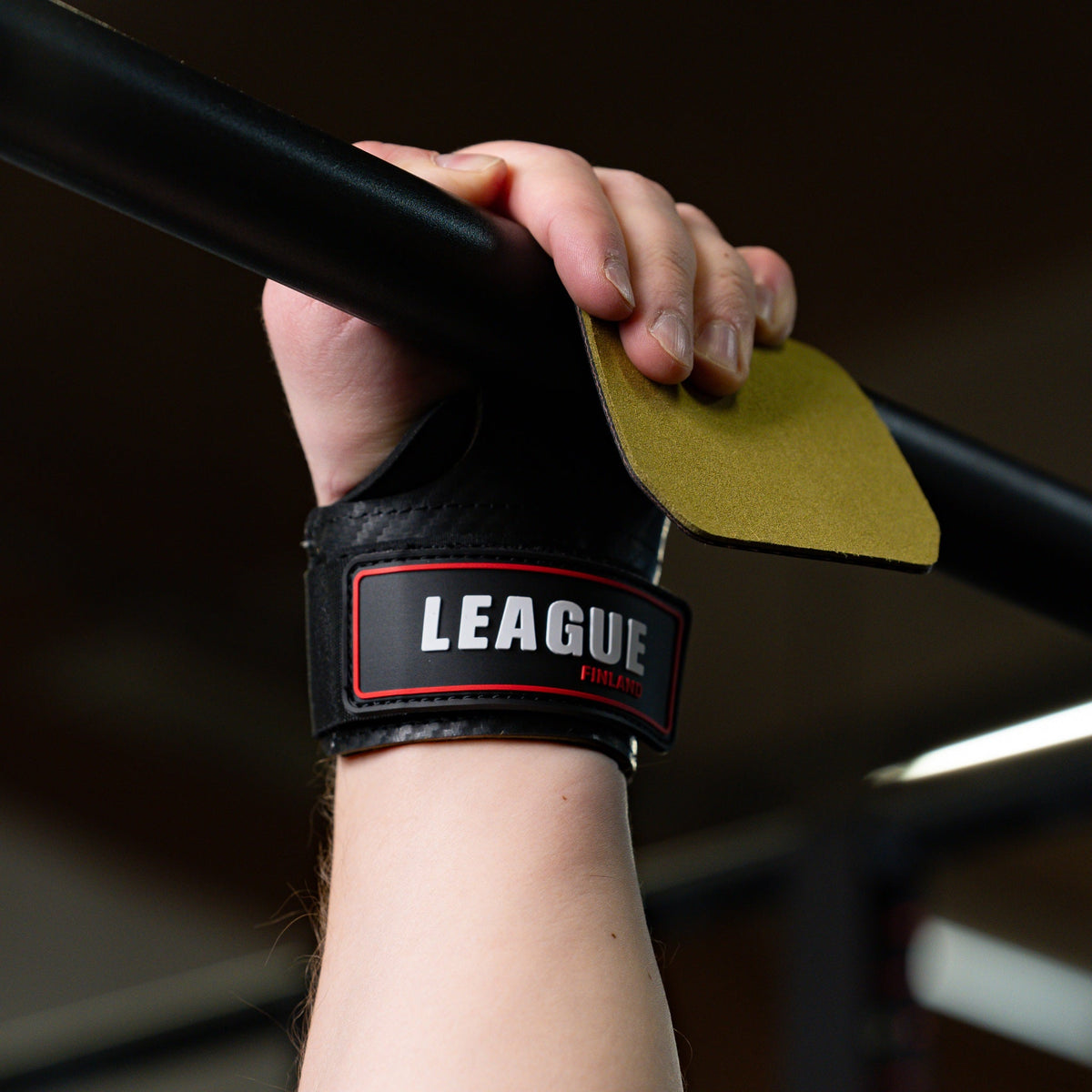
As the name suggests, the surface of a rubber grip is rubber – but there are many different rubber qualities on the market. League grips use only the best possible rubber. Models like this in the League range include Pure, Elite, Elite Pro, Alpha, and the newest, Vantage.
Chalk Grips vs. Rubber Grips
A rubber-surfaced grip can often be made extremely thin. This leaves room for reinforcements such as an aramid fibre layer, which extends the product's lifespan. The best-known aramid fibre is Kevlar, which thanks to its outstanding properties is also used in aircraft parts and bulletproof vests.
If you want a grip to be as thin as possible, it only has a rubber layer and a Kevlar reinforcement. That, however, puts the user's hands to the test. League grips add a cushioning layer on the palm side on top of these two layers for better comfort.
Because of the relatively stiff construction (rubber + Kevlar), League has put special effort into the wrist section to make the grips as comfortable as possible without compromising performance. At the time of writing, the newest addition to the League range, Vantage, is a great example of this: its wrist section stands out from other models on the market with exceptional comfort and grip.

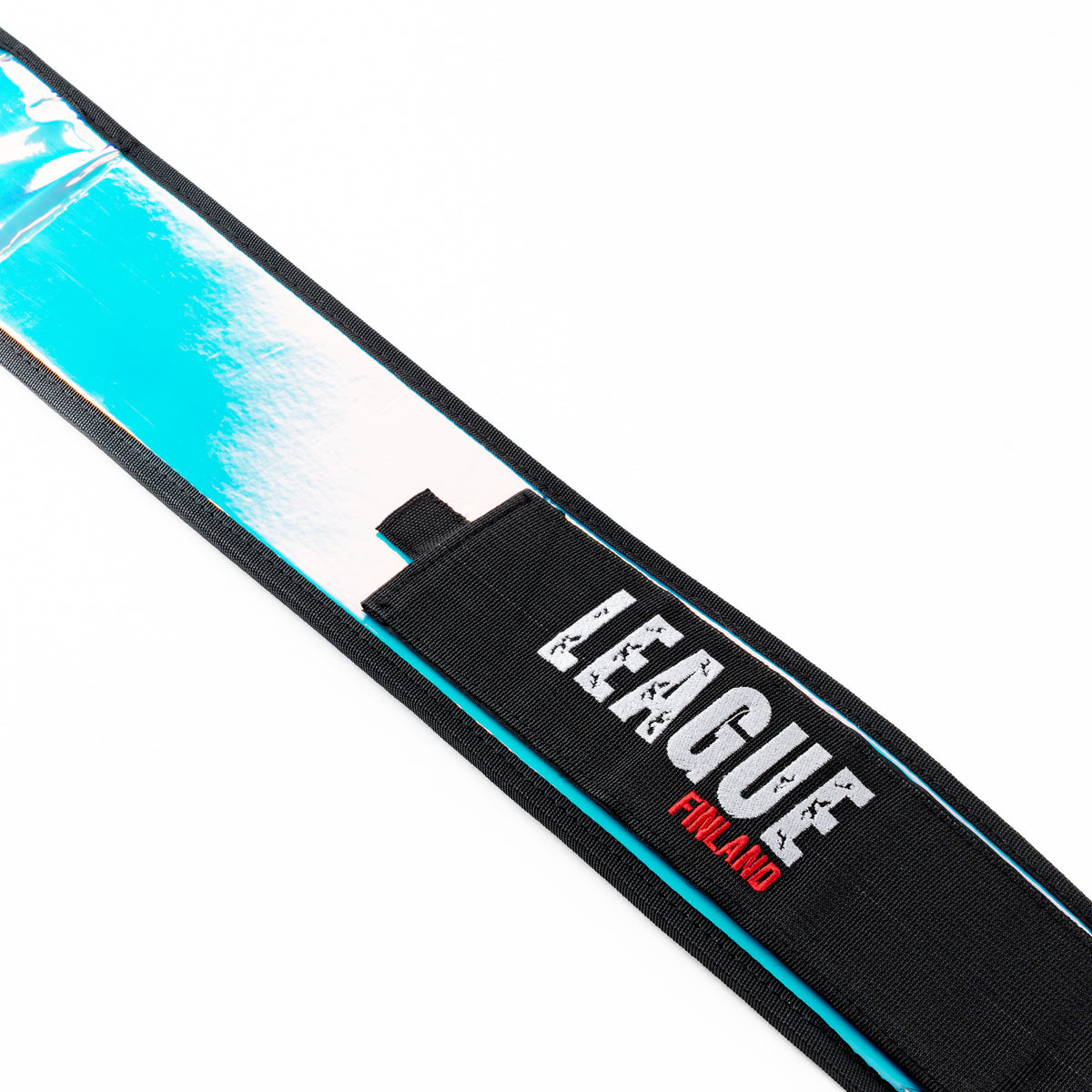
The image above shows the wrist padding, which also protects the base of the thumb – a spot where many grips chafe.

Wristbands are often worn under grips – League has a nice selection of wristbands.
Chalk grips typically wear out faster than rubber grips and may even tear over time. This is because reinforcements usually can't be added to their construction for manufacturing reasons.
Chalk grips can have excellent grip on a rough bar, but on a very smooth bar they usually don't hold as well – exactly where rubber grips shine. Chalk grips, however, are often soft and comfortable to use.
Chalk grips in the League range are RX Carbon and Comfy. By the way, new Comfy colours are coming soon :)

Pictured above is League's super popular RX Carbon model, a grip with a carbon-fibre look. It is 2 mm thick and available in two sizes, L and XL. The length difference between the sizes is 1 cm.
What Competitors Should Consider When Choosing Grips
When planning a competition strategy, it pays to think carefully about your choice of grips too. At UnBroken 2025, event 6, Pyssyhiihto, consisted of 10 rounds: 5 BMU, 4+4 pistol squats and 8 cal SkiErg. In this event, athletes got up on the bar with their grips on ten times.
The difference was clearly visible between athletes using chalk grips and those using chalk-free grips. Athletes with chalk grips chalked their hands before every set of BMUs, while those with chalk-free grips jumped straight onto the bar without any preparation.
If chalking up takes around three seconds per round, that adds up to 30 seconds of extra time over the whole event.
At Pieksäjäiset, on the other hand, we noticed that chalk grips didn't hold on the rig at all. We even temporarily sold out of the entire Elite model once competitors realised what works on that rig! Did you know the same rig is used at many other events in northern Finland too? Ask us more in the comments!
So Good They Were Banned at First
Many functional fitness competitions initially banned rubber grips because they were so superior to everything else. The decision was eventually reversed, and rubber grips are now allowed.
In response to the ban, however, we developed the League Stealth grip, which isn't a rubber grip but has the grip properties of one. Its surface material is as grippy as rubber and its construction is soft, making it really comfortable to use!
Rubber grips have earned their place in functional fitness thanks to their excellent grip, durability and comfort. Chalk grips, in turn, offer a softer feel but require more preparation between sets. In competition every second counts – which is why the right grips can make the difference between placings. The League range has options for hard-training enthusiasts and competitive athletes alike.